Headlines

Top 5 Best 5G Smartphones To Buy Under ₹20,000 in India

Top 5 Best 5G Smartphones To Buy Under ₹20,000 in India

Top 5 Best 5G Smartphones, Best Smartphones Under 20000,

Are you in search of a new smartphone that fits your budget? Look no further! In this article, we will discuss the top five best 5G smartphones available in India under ₹20,000 ($300). Whether you prioritize performance, camera quality, or overall experience, we have carefully curated a list of the latest smartphone launches to help you make an informed decision. Let's dive in and explore these exciting options!

List of Best 5G Smartphones in India

Image Product Feature Price
Balanced Performer
Samsung Galaxy A14 5G
6.6inches Full HD+ Display, 5G Octa Core 2.4GHz processor, 50+2+2MP High Resolution Camera, 5000 Massive Battery Check On Amazon
Power-Packed Contender
iQOO Z7 5G 6 GB RAM | 128 GB ROM
MediaTek Dimensity 920 5G, 6.38inches FHD+ AMOLED display, Octa-core processor, 64MP+2MP OIS Camera, 4500 Battery Check On Amazon
The Clean Experience
OnePlus Nord CE 3 Lite 5G 8 GB RAM | 128 GB ROM
6.72 inch FHD+ Display, Qualcomm Snapdragon 695 5G, 5000 mAh with 67W charger, 108+2+2 Camera Check On Amazon
A Rebranded Alternative
realme 10 Pro 5G 6 GB RAM | 128 GB ROM
6.72 inch Full HD+ Display, 108MP + 2MP | 16MP Front Camera, 5000 mAh Battery, Qualcomm Snapdragon 695 5G Processor Check On Amazon
A Stock Android Option
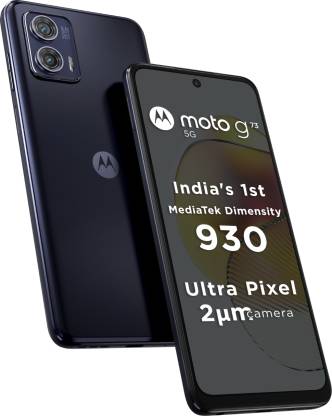
MOTOROLA g73 5G 8 GB RAM | 128 GB ROM
6.5 inch Full HD+ Display, 50MP + 8MP Camera, 5000 mAh Battery, Mediatek Dimensity 930 Processor Check On Amazon
Honorable Mention
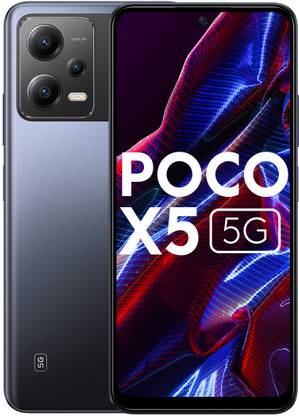
POCO X5 5G 8 GB RAM | 256 GB ROM
6.67 inch Full HD+ Display, 48MP + 8MP + 2MP | 13MP Front Camera, 5000 mAh Battery, Qualcomm Snapdragon 695 Processor Check On Amazon
Honorable Mention
Redmi Note 12 5G 6GB RAM 128GB ROM
6.67 inch Full HD+ Display, 48MP + 8MP + 2MP | 13MP Front Camera, 5000 mAh Battery, Qualcomm Snapdragon 4 Gen 1 Processor Check On Amazon

5G Smartphones To Buy Under ₹20,000 in India

Samsung Galaxy A24 4G: A Balanced Performer

The Samsung Galaxy A24 4G is a highly anticipated phone set to launch soon in India. While it may not support 5G connectivity, it boasts impressive specifications. The device features an appealing design resembling the Galaxy A34 and A54, offering a comfortable grip. The AMOLED screen is vibrant and responsive, accompanied by decent haptics and a smooth 90Hz refresh rate.

Powered by the MediaTek Helio G99 chipset, the Galaxy A24 delivers satisfactory performance. The 50-megapixel primary camera captures excellent photos, complemented by OIS for enhanced image stabilization. However, the secondary lenses, including the 5-megapixel ultra-wide and 2-megapixel macro, offer average performance. On the bright side, Samsung ensures long-term software support with four years of OS updates and five years of security updates. The Galaxy A24's minor drawbacks include noticeable bezels and the absence of 5G support, as well as the omission of a charger in the box.

iQOO Z7 5G: A Power-Packed Contender

For users seeking better performance and thinner bezels, the iQOO Z7 5G is an excellent choice. While it may not offer the same level of software support as Samsung, iQOO guarantees two years of OS updates and three years of security updates. Sporting a delightful 90Hz AMOLED screen, the iQOO Z7 delivers a smooth visual experience. Equipped with the MediaTek Dimensity 920 chipset, it offers one of the best performances in the ₹20,000 price range.

The primary camera's 4K 30fps recording capability, coupled with reliable stabilization, ensures satisfying video capture. The device also includes a fast 44-watt charger, enabling quick charging. However, the iQOO Z7's camera performance with portraits and selfies is disappointing, and the single speaker's audio output is average. Additionally, the FunTouch OS user interface could benefit from a more visually appealing design.

OnePlus Nord CE 3 Lite: The Clean Experience

If you appreciate a clean user interface, the OnePlus Nord CE 3 Lite is an ideal option. OnePlus has optimized the OxygenOS well on this device, providing a smooth and clutter-free experience. Despite featuring the slightly older Snapdragon 695 chipset, the Nord CE 3 Lite handles everyday tasks and multitasking with ease. The primary 108-megapixel camera captures stunning daytime photos, excelling in human and object recognition.

The stereo speakers offer improved audio quality compared to the previous two smartphones. However, the absence of an AMOLED screen is a drawback, as an LCD panel cannot match the contrast and deep blacks of an AMOLED display. On the whole, the OnePlus Nord CE 3 Lite delivers a solid performance but lacks significant changes compared to its predecessor.


Realme 10 Pro: A Rebranded Alternative

If you are looking for a smartphone experience similar to the OnePlus Nord CE 3 Lite, the Realme 10 Pro is a viable alternative. It offers comparable specifications and features, ensuring a smooth and enjoyable user experience. The camera performance is satisfactory, capturing impressive photos in various lighting conditions. The device shares similarities with the Nord CE 3 Lite in terms of design, battery capacity, and fast charging capabilities. However, it is important to note that the Realme 10 Pro lacks any significant distinguishing features from its OnePlus counterpart.

Motorola Moto G7 3: A Stock Android Option

For fans of stock Android, the Motorola Moto G7 3 is an excellent choice under ₹20,000. Priced at just ₹17,000, this device offers good value for its performance. Powered by the latest MediaTek Dimensity 930 chipset, the Moto G7 3 delivers fast and seamless operation. The well-optimized 120Hz refresh rate screen enhances the overall smoothness of the device. The camera quality is decent, although it may not match the levels of the Samsung Galaxy A24 or the OnePlus Nord CE 3 Lite.

The stereo speakers produce satisfactory sound, and the battery life is commendable. Design-wise, the Moto G7 3 is lightweight and comfortable to hold. However, compromises are evident in the display quality and haptic feedback, as the vibration motor on the device is not as refined. Additionally, the LCD screen falls short when compared to the superior contrast and colors of an AMOLED panel.

Honorable Mentions: Redmi Note 12 and Poco X5

Finally, we would like to mention two additional options from Redmi and Poco. The Redmi Note 12 5G and Note 12 4G, along with the Poco X5, are all strong contenders in the under ₹20,000 price range. These devices boast impressive AMOLED screens with a smooth 120Hz refresh rate, appealing designs with a boxy form factor, and reliable battery life with 33W fast charging support.

The main differentiating factor lies in the chipsets, with the Note 12 5G featuring the Snapdragon 4G Gen 1, the Note 12 4G equipped with the Snapdragon 685, and the Poco X5 housing the Snapdragon 695. Camera performance and haptic feedback are satisfactory across all three devices. However, it's worth noting that the Note 12 4G comes with Android 13 out of the box, providing a slight advantage in terms of software. Nevertheless, all devices mentioned here exhibit MIUI, which may benefit from a revamp in the future.

Conclusion:

In conclusion, if you are searching for a budget-friendly 5G smartphone under ₹20,000 ($300), these five options offer excellent value for your money. From the well-rounded Samsung Galaxy A24 4G to the power-packed iQOO Z7 5G, the clean experience of the OnePlus Nord CE 3 Lite, the rebranded Realme 10 Pro, and the stock Android option of the Motorola Moto G7 3, there is something for everyone. Consider your priorities, whether it's performance, camera quality, or user interface, and make an informed decision. Remember to weigh the pros and cons of each device to find the perfect smartphone that meets your needs. Happy shopping!

Nothing Ear (2) vs. AirPods Pro: Which is Better?

Nothing Ear (2) vs. AirPods Pro: Which is Better?

Nothing Ear (2) vs. AirPods Pro

The wireless earbuds market has grown rapidly over the years with Apple's AirPods leading the pack. AirPods are known for their great sound quality, noise cancellation, transparency mode, and battery life. However, there are always new players in the market, such as Nothing Ear (2), promising the same features as AirPods Pro at almost half the price.

Nothing Ear (2) was released, and after spending almost a month with the product, it was tested with all sorts of smartphones and laptops with all sorts of media files to come up with a fair assessment. In this article, we will discuss how Nothing Ear (2) fares against AirPods Pro in terms of design, fit and comfort, controls, connectivity, and noise cancellation.

Nothing Ear (2) vs. AirPods Pro

Design

Nothing Ear (2) has a unique design, just like the previous Nothing products. While it doesn't have those fancy LED lights, it still looks striking and visually iconic. The Ear (2) has a distinctive kind of charm, but it has a lot of AirPods resemblance. The package comes with three silicon ear tips in the box, and the default medium size ones fit comfortably in most ears.

The earbuds also passed the ear tip fit test in the Nothing X app. However, just like fingerprints, ear shapes are fundamentally different, and some people may find it challenging to put them on, including the author. The Ear (2) uses pinch control, which was not as elegant as expected, and would frequently reposition in the ear.

Fit and Comfort

Fit and comfort are essential when it comes to wireless earbuds. While a bunch of friends and colleagues found the Ear (2) to be comfortable, some found it challenging to put on. The Ear (2) is not likely to fall off the ear, but readjustment is often necessary. AirPods Pro 2 is still better in terms of fit and comfort, according to the author.

Controls

Nothing Ear (2) has switched from touch to pinch control, which is not as elegant as the author hoped. Every time the author interacted with these earbuds, it would simply reposition in the ear. However, Nothing Ear (2) lets users customize the controls easily, and it has some unique features such as adjusting volume levels directly from the earbuds, making it more convenient.

Connectivity

The Nothing Ear (2) features the latest Bluetooth 5.3 standard, along with Google's fast pair and Microsoft Swift pair support. That means Ear (2) is much easier to pair and connect with all sorts of devices, be it Android smartphones, tablets, or Windows PCS. Ear (2) has dual connection feature that lets users connect the earbuds with two devices at a time and switch between audio sources without having to meddle with the whole pairing and unpairing process every time.

Noise Cancellation

The Nothing Ear (2) promises to cancel up to 40 decibels of ambient noise, which is commendable for its price. The AirPods Pro's noise cancellation is some of the best in the business, but Ear (2) does a fantastic job of canceling out noise. Ear (2) is great at getting rid of consistent low frequency sounds, but AirPods Pro still sounds quieter to the ears for low pit sounds or high-pitched ones like a car horn.

The earbuds can also dynamically adjust ANC settings under the Adaptive profile, but the author found it to be rather counterproductive. It often failed to determine the surrounding noise level accurately to make any meaningful changes to the noise cancellation level.

Conclusion:

Nothing Ear (1) is an excellent alternative to AirPods Pro, offering similar features at a more affordable price point. The design and build quality are top-notch, and the sound quality is impressive. The transparency mode and active noise cancellation work well, and the battery life is decent. However, the touch controls can be a bit finicky, and the lack of wireless charging may be a drawback for some users. Overall, if you're looking for a high-quality pair of true wireless earbuds that won't break the bank, the Nothing Ear (1) is definitely worth considering.

Showing posts with label Comparison. Show all posts

Top 5 Best 5G Smartphones To Buy Under ₹20,000 in India

May 21, 2023

Top 5 Best 5G Smartphones To Buy Under ₹20,000 in India

Top 5 Best 5G Smartphones, Best Smartphones Under 20000,

Are you in search of a new smartphone that fits your budget? Look no further! In this article, we will discuss the top five best 5G smartphones available in India under ₹20,000 ($300). Whether you prioritize performance, camera quality, or overall experience, we have carefully curated a list of the latest smartphone launches to help you make an informed decision. Let's dive in and explore these exciting options!

List of Best 5G Smartphones in India

Image Product Feature Price
Balanced Performer
Samsung Galaxy A14 5G
6.6inches Full HD+ Display, 5G Octa Core 2.4GHz processor, 50+2+2MP High Resolution Camera, 5000 Massive Battery Check On Amazon
Power-Packed Contender
iQOO Z7 5G 6 GB RAM | 128 GB ROM
MediaTek Dimensity 920 5G, 6.38inches FHD+ AMOLED display, Octa-core processor, 64MP+2MP OIS Camera, 4500 Battery Check On Amazon
The Clean Experience
OnePlus Nord CE 3 Lite 5G 8 GB RAM | 128 GB ROM
6.72 inch FHD+ Display, Qualcomm Snapdragon 695 5G, 5000 mAh with 67W charger, 108+2+2 Camera Check On Amazon
A Rebranded Alternative
realme 10 Pro 5G 6 GB RAM | 128 GB ROM
6.72 inch Full HD+ Display, 108MP + 2MP | 16MP Front Camera, 5000 mAh Battery, Qualcomm Snapdragon 695 5G Processor Check On Amazon
A Stock Android Option
MOTOROLA g73 5G 8 GB RAM | 128 GB ROM
6.5 inch Full HD+ Display, 50MP + 8MP Camera, 5000 mAh Battery, Mediatek Dimensity 930 Processor Check On Amazon
Honorable Mention
POCO X5 5G 8 GB RAM | 256 GB ROM
6.67 inch Full HD+ Display, 48MP + 8MP + 2MP | 13MP Front Camera, 5000 mAh Battery, Qualcomm Snapdragon 695 Processor Check On Amazon
Honorable Mention
Redmi Note 12 5G 6GB RAM 128GB ROM
6.67 inch Full HD+ Display, 48MP + 8MP + 2MP | 13MP Front Camera, 5000 mAh Battery, Qualcomm Snapdragon 4 Gen 1 Processor Check On Amazon

5G Smartphones To Buy Under ₹20,000 in India

Samsung Galaxy A24 4G: A Balanced Performer

The Samsung Galaxy A24 4G is a highly anticipated phone set to launch soon in India. While it may not support 5G connectivity, it boasts impressive specifications. The device features an appealing design resembling the Galaxy A34 and A54, offering a comfortable grip. The AMOLED screen is vibrant and responsive, accompanied by decent haptics and a smooth 90Hz refresh rate.

Powered by the MediaTek Helio G99 chipset, the Galaxy A24 delivers satisfactory performance. The 50-megapixel primary camera captures excellent photos, complemented by OIS for enhanced image stabilization. However, the secondary lenses, including the 5-megapixel ultra-wide and 2-megapixel macro, offer average performance. On the bright side, Samsung ensures long-term software support with four years of OS updates and five years of security updates. The Galaxy A24's minor drawbacks include noticeable bezels and the absence of 5G support, as well as the omission of a charger in the box.

iQOO Z7 5G: A Power-Packed Contender

For users seeking better performance and thinner bezels, the iQOO Z7 5G is an excellent choice. While it may not offer the same level of software support as Samsung, iQOO guarantees two years of OS updates and three years of security updates. Sporting a delightful 90Hz AMOLED screen, the iQOO Z7 delivers a smooth visual experience. Equipped with the MediaTek Dimensity 920 chipset, it offers one of the best performances in the ₹20,000 price range.

The primary camera's 4K 30fps recording capability, coupled with reliable stabilization, ensures satisfying video capture. The device also includes a fast 44-watt charger, enabling quick charging. However, the iQOO Z7's camera performance with portraits and selfies is disappointing, and the single speaker's audio output is average. Additionally, the FunTouch OS user interface could benefit from a more visually appealing design.

OnePlus Nord CE 3 Lite: The Clean Experience

If you appreciate a clean user interface, the OnePlus Nord CE 3 Lite is an ideal option. OnePlus has optimized the OxygenOS well on this device, providing a smooth and clutter-free experience. Despite featuring the slightly older Snapdragon 695 chipset, the Nord CE 3 Lite handles everyday tasks and multitasking with ease. The primary 108-megapixel camera captures stunning daytime photos, excelling in human and object recognition.

The stereo speakers offer improved audio quality compared to the previous two smartphones. However, the absence of an AMOLED screen is a drawback, as an LCD panel cannot match the contrast and deep blacks of an AMOLED display. On the whole, the OnePlus Nord CE 3 Lite delivers a solid performance but lacks significant changes compared to its predecessor.


Realme 10 Pro: A Rebranded Alternative

If you are looking for a smartphone experience similar to the OnePlus Nord CE 3 Lite, the Realme 10 Pro is a viable alternative. It offers comparable specifications and features, ensuring a smooth and enjoyable user experience. The camera performance is satisfactory, capturing impressive photos in various lighting conditions. The device shares similarities with the Nord CE 3 Lite in terms of design, battery capacity, and fast charging capabilities. However, it is important to note that the Realme 10 Pro lacks any significant distinguishing features from its OnePlus counterpart.

Motorola Moto G7 3: A Stock Android Option

For fans of stock Android, the Motorola Moto G7 3 is an excellent choice under ₹20,000. Priced at just ₹17,000, this device offers good value for its performance. Powered by the latest MediaTek Dimensity 930 chipset, the Moto G7 3 delivers fast and seamless operation. The well-optimized 120Hz refresh rate screen enhances the overall smoothness of the device. The camera quality is decent, although it may not match the levels of the Samsung Galaxy A24 or the OnePlus Nord CE 3 Lite.

The stereo speakers produce satisfactory sound, and the battery life is commendable. Design-wise, the Moto G7 3 is lightweight and comfortable to hold. However, compromises are evident in the display quality and haptic feedback, as the vibration motor on the device is not as refined. Additionally, the LCD screen falls short when compared to the superior contrast and colors of an AMOLED panel.

Honorable Mentions: Redmi Note 12 and Poco X5

Finally, we would like to mention two additional options from Redmi and Poco. The Redmi Note 12 5G and Note 12 4G, along with the Poco X5, are all strong contenders in the under ₹20,000 price range. These devices boast impressive AMOLED screens with a smooth 120Hz refresh rate, appealing designs with a boxy form factor, and reliable battery life with 33W fast charging support.

The main differentiating factor lies in the chipsets, with the Note 12 5G featuring the Snapdragon 4G Gen 1, the Note 12 4G equipped with the Snapdragon 685, and the Poco X5 housing the Snapdragon 695. Camera performance and haptic feedback are satisfactory across all three devices. However, it's worth noting that the Note 12 4G comes with Android 13 out of the box, providing a slight advantage in terms of software. Nevertheless, all devices mentioned here exhibit MIUI, which may benefit from a revamp in the future.

Conclusion:

In conclusion, if you are searching for a budget-friendly 5G smartphone under ₹20,000 ($300), these five options offer excellent value for your money. From the well-rounded Samsung Galaxy A24 4G to the power-packed iQOO Z7 5G, the clean experience of the OnePlus Nord CE 3 Lite, the rebranded Realme 10 Pro, and the stock Android option of the Motorola Moto G7 3, there is something for everyone. Consider your priorities, whether it's performance, camera quality, or user interface, and make an informed decision. Remember to weigh the pros and cons of each device to find the perfect smartphone that meets your needs. Happy shopping!

Nothing Ear (2) vs. AirPods Pro: Which is Better?

May 04, 2023

Nothing Ear (2) vs. AirPods Pro: Which is Better?

Nothing Ear (2) vs. AirPods Pro

The wireless earbuds market has grown rapidly over the years with Apple's AirPods leading the pack. AirPods are known for their great sound quality, noise cancellation, transparency mode, and battery life. However, there are always new players in the market, such as Nothing Ear (2), promising the same features as AirPods Pro at almost half the price.

Nothing Ear (2) was released, and after spending almost a month with the product, it was tested with all sorts of smartphones and laptops with all sorts of media files to come up with a fair assessment. In this article, we will discuss how Nothing Ear (2) fares against AirPods Pro in terms of design, fit and comfort, controls, connectivity, and noise cancellation.

Nothing Ear (2) vs. AirPods Pro

Design

Nothing Ear (2) has a unique design, just like the previous Nothing products. While it doesn't have those fancy LED lights, it still looks striking and visually iconic. The Ear (2) has a distinctive kind of charm, but it has a lot of AirPods resemblance. The package comes with three silicon ear tips in the box, and the default medium size ones fit comfortably in most ears.

The earbuds also passed the ear tip fit test in the Nothing X app. However, just like fingerprints, ear shapes are fundamentally different, and some people may find it challenging to put them on, including the author. The Ear (2) uses pinch control, which was not as elegant as expected, and would frequently reposition in the ear.

Fit and Comfort

Fit and comfort are essential when it comes to wireless earbuds. While a bunch of friends and colleagues found the Ear (2) to be comfortable, some found it challenging to put on. The Ear (2) is not likely to fall off the ear, but readjustment is often necessary. AirPods Pro 2 is still better in terms of fit and comfort, according to the author.

Controls

Nothing Ear (2) has switched from touch to pinch control, which is not as elegant as the author hoped. Every time the author interacted with these earbuds, it would simply reposition in the ear. However, Nothing Ear (2) lets users customize the controls easily, and it has some unique features such as adjusting volume levels directly from the earbuds, making it more convenient.

Connectivity

The Nothing Ear (2) features the latest Bluetooth 5.3 standard, along with Google's fast pair and Microsoft Swift pair support. That means Ear (2) is much easier to pair and connect with all sorts of devices, be it Android smartphones, tablets, or Windows PCS. Ear (2) has dual connection feature that lets users connect the earbuds with two devices at a time and switch between audio sources without having to meddle with the whole pairing and unpairing process every time.

Noise Cancellation

The Nothing Ear (2) promises to cancel up to 40 decibels of ambient noise, which is commendable for its price. The AirPods Pro's noise cancellation is some of the best in the business, but Ear (2) does a fantastic job of canceling out noise. Ear (2) is great at getting rid of consistent low frequency sounds, but AirPods Pro still sounds quieter to the ears for low pit sounds or high-pitched ones like a car horn.

The earbuds can also dynamically adjust ANC settings under the Adaptive profile, but the author found it to be rather counterproductive. It often failed to determine the surrounding noise level accurately to make any meaningful changes to the noise cancellation level.

Conclusion:

Nothing Ear (1) is an excellent alternative to AirPods Pro, offering similar features at a more affordable price point. The design and build quality are top-notch, and the sound quality is impressive. The transparency mode and active noise cancellation work well, and the battery life is decent. However, the touch controls can be a bit finicky, and the lack of wireless charging may be a drawback for some users. Overall, if you're looking for a high-quality pair of true wireless earbuds that won't break the bank, the Nothing Ear (1) is definitely worth considering.

 
Copyright © Reviewisse - Expert Product Reviews and Buying Guides.